
Resources
Healing and personal growth don't stop when you step out of the therapy room.
Below is a curated collection of books, workbooks, and educational tools I frequently recommend to support your journey, deepen your insight, and offer practical strategies.
Somatic Healing & Trauma
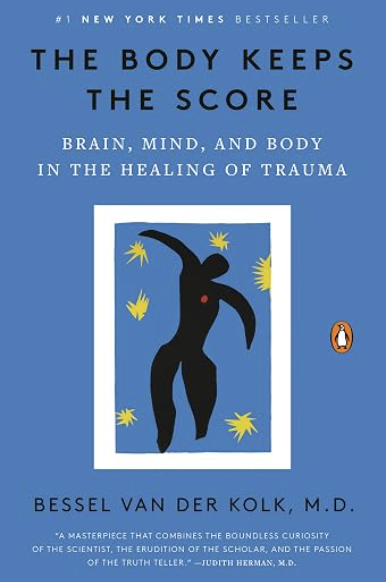
By: Bessel van der Kolk, M.D.
An essential read for understanding how stress and trauma impact the physical body and nervous system. I often recommend this to clients who want a deeper scientific and clinical understanding of why 'talking through' an issue isn't always enough to heal it.
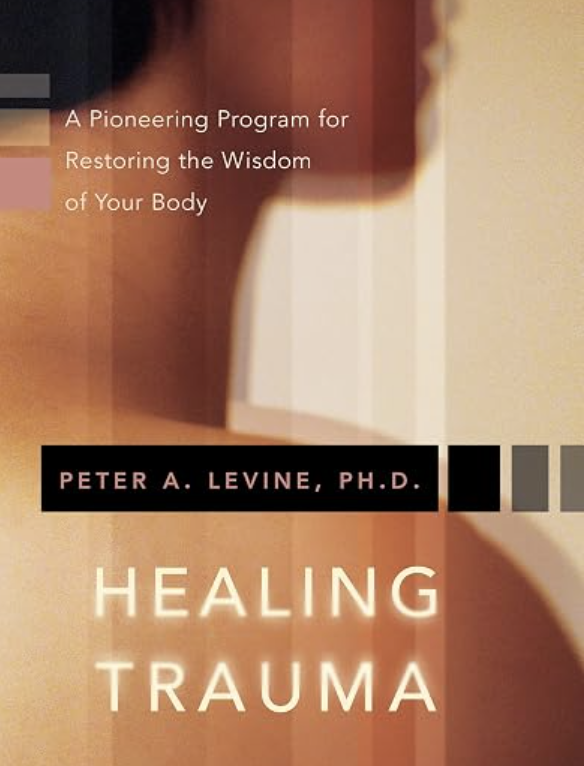
By: Peter A. Levine, PhD
A concise, practical workbook featuring step-by-step somatic exercises. This is a wonderful companion to therapy for clients who want guided, real-time tools to help settle an anxious or overwhelmed nervous system.
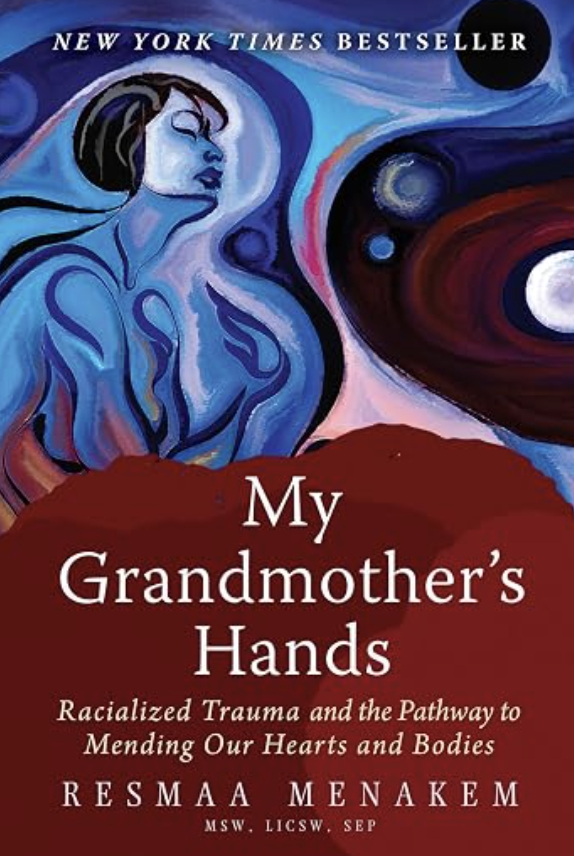
A groundbreaking somatic guide exploring how racialized trauma lives in the body across generations. Menakem provides body-centered practices to help settle the nervous system and repair racialized stress on an individual and collective level.
By: Resmaa Menakem
Children, Teens, & Parenting
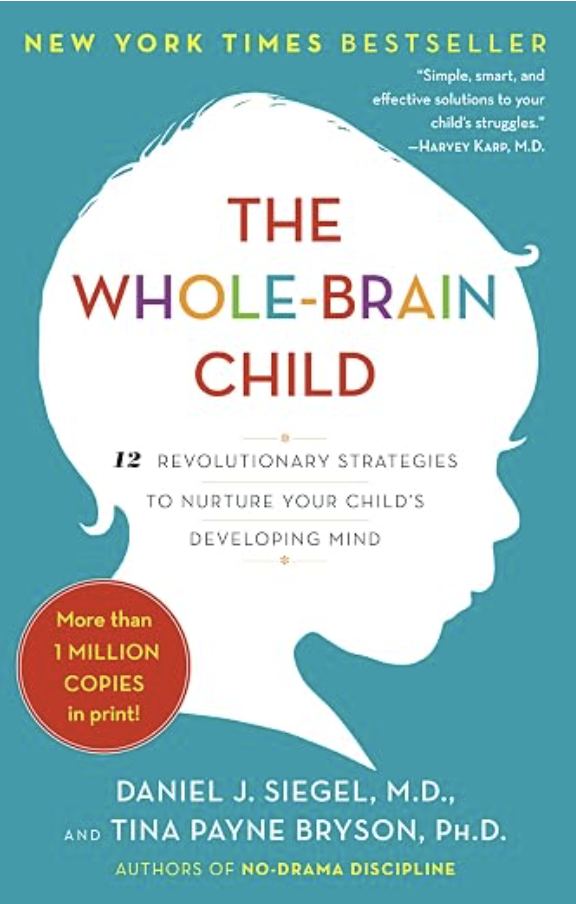
A ground-breaking guide that demystifies childhood meltdowns and emotional shifts through the lens of neuroscience. It offers parents practical, age-appropriate strategies to help children integrate their 'upstairs' and 'downstairs' brain, turning everyday struggles into opportunities for connection and growth.
By: Dr. Daniel Siegel and Tina Payne Bryson
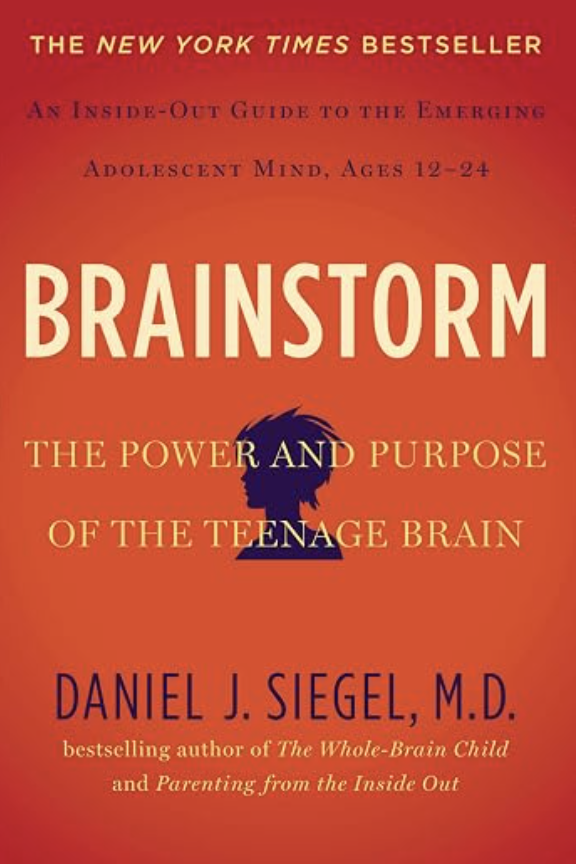
An illuminating look at adolescent brain development that dispels common myths about teenage behavior. Dr. Siegel explains how emotional intensity and risk-taking are natural parts of brain remodeling, offering teens and parents a roadmap for navigating these years with empathy rather than conflict.
By: Dr. Daniel Siegel
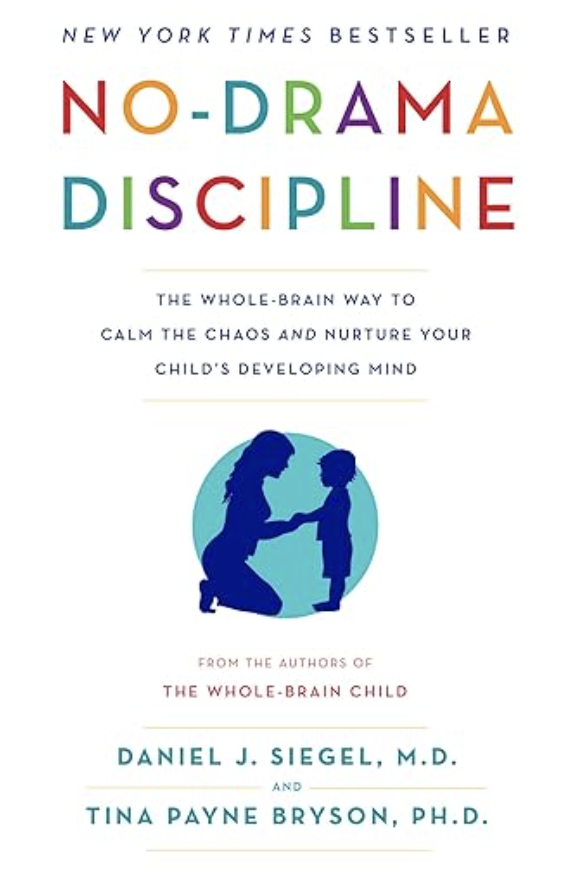
By: Dr. Daniel Siegel and Tina Payne Bryson
A compassionate, brain-science-backed guide that redefines discipline not as punishment, but as teaching. This book offers practical, connection-based strategies to handle childhood meltdowns and behavioral challenges while fostering long-term emotional intelligence and resilience.
Family Dynamics & People-Pleasing
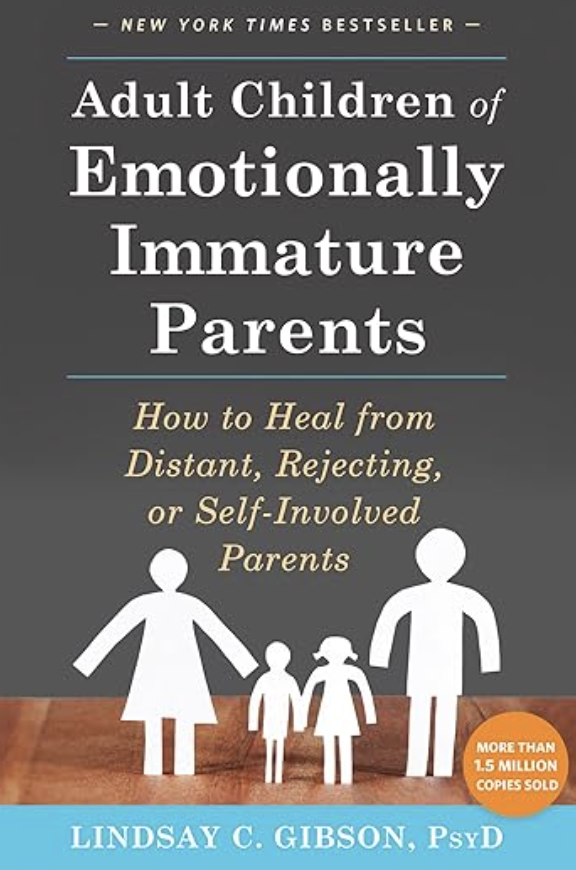
Adult Children of Emotionally Immature Parents
By Lindsay C. Gibson, PsyD
If you grew up feeling emotionally neglected or forced to take on adult responsibilities as a child, this book is deeply validating. It offers gentle insights on how to set healthy boundaries and break old relational cycles without carrying overwhelming guilt.
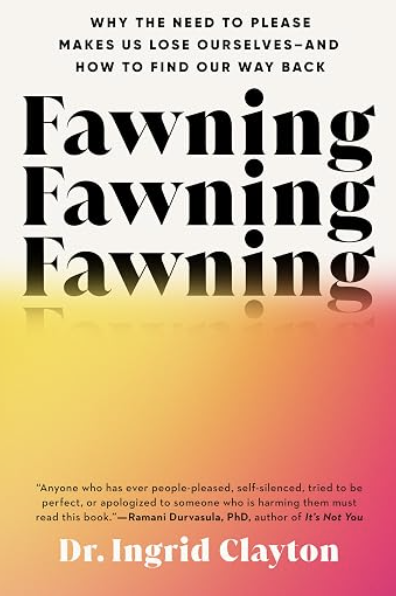
A groundbreaking exploration of the often-overlooked fourth trauma response: fawning. Dr. Clayton clearly distinguishes reflexive people-pleasing from simple 'niceness' or 'codependency,' revealing it as a brilliant survival strategy designed to keep us safe in unpredictable environments. This empathetic guide offers practical somatic and emotional tools to help you stop self-abandoning, release subconscious guilt, and step into authentic self-expression.
By: Dr. Ingrid Clayton
Breakups, Relationship Loss, & Relational Healing
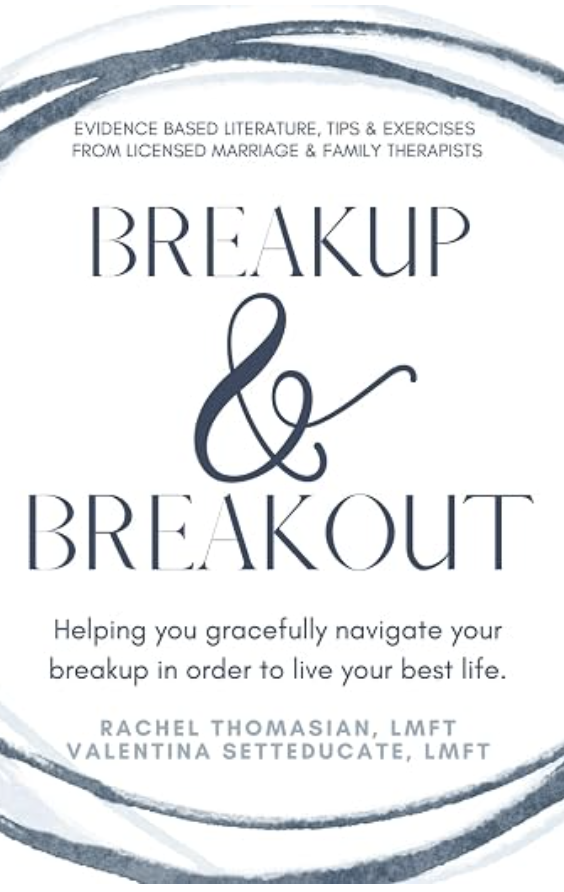
A helpful guide to breakups with interactive exercises to help reflect on the relationship and ways to heal.
By: Rachel Thamasian and Valentina Setteducate
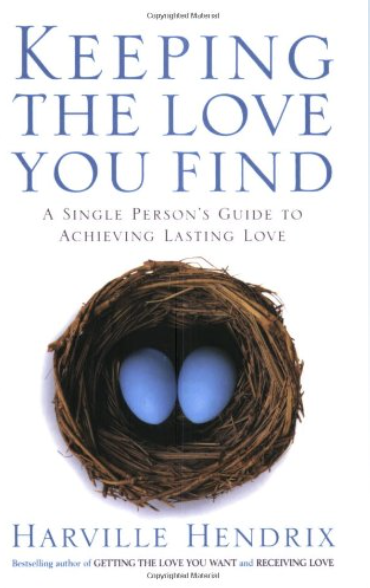
Keeping the Love you Find
A classic guide for singles or individuals who find themselves repeating the same frustrating patterns in relationships. Dr. Hendrix explores how early childhood dynamics shape our partner choices, offering practical exercises to heal past wounds, cultivate self-worth, and prepare for a healthy, conscious partnership.
By: Harville Hendrix, Ph.D
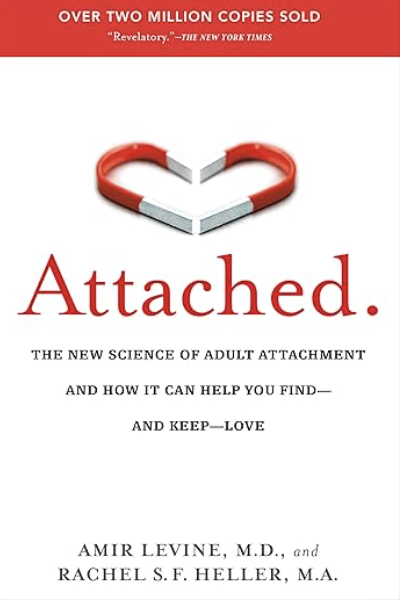
An essential, accessible guide to understanding adult attachment styles—anxious, avoidant, and secure. It offers practical tools to help you recognize your own relational needs, break anxious-avoidant attachment loops, and navigate dating and relationships with clarity and confidence.
By: Amir Levine M.D. and Rachel Heller
Emotional Regulation & Self-Harm Tools
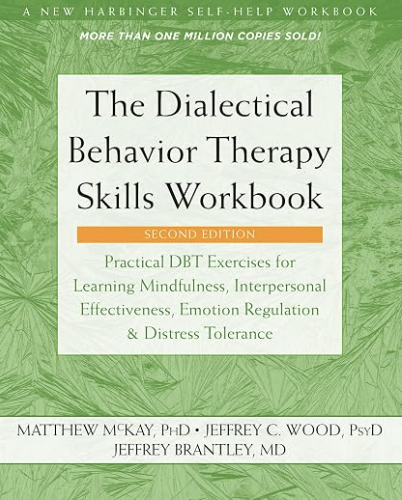
An essential, hands-on workbook for anyone struggling with intense emotional swings, anxiety, or impulsive urges. It provides clear step-by-step exercises in distress tolerance, mindfulness, emotion regulation, and interpersonal effectiveness to help you stay grounded when feelings feel overwhelming
By: Matthew McKay, PhD, Jeffrey C. Wood, PSY.D., & Jeffrey Brantley, MD
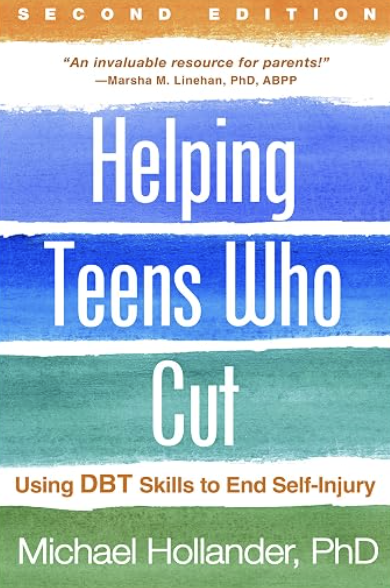
Michael Hollander, PhD
Written by a leading expert in DBT, this compassionate guide is the gold-standard resource for parents. It demystifies why teens turn to cutting, teaches parents how to talk about self-injury without escalating the situation, and provides concrete tools to reduce family stress while supporting recovery.
Ready to Take the Next Step in Your Healing Journey?
While books and workbooks offer valuable insights, having a safe, compassionate space to process and integrate your experiences can make all the difference. If you're looking for support with trauma, boundary work, or navigating family dynamics, I'd love to help.
Need Immediate Support?
If you or someone you know is in crisis or needs immediate help, please reach out to one of these 24/7 confidential resources:
988 Suicide & Crisis Lifeline: Call or text 988 (Available 24/7, free, and confidential)
The Crisis Text Line: Text HOME to 741741 to connect with a crisis counselor
The Trevor Project (LGBTQ Youth): Call 1-866-488-7386 or text START to 678-678
Trans Lifeline: Call 877-565-8860
If you are experiencing a medical emergency or immediate danger, please call 911 or go to your nearest emergency room.
Disclaimers:*Professional Advice:** The resources listed on this page are provided for educational and self-exploration purposes only. They do not constitute therapy or medical advice, nor do they establish a therapist-client relationship.