

Somatic Experiencing® Therapy in Los Angeles
Healing that goes beyond traditional talk therapy—working with both the mind and body to create meaningful, lasting change.
What is Somatic Experiencing®
Somatic Experiencing® (SE) is a body-oriented approach to healing trauma and stress developed by Dr. Peter Levine. Rather than focusing solely on our thoughts or the story of what happened, SE brings curiosity to how our experiences may continue to show up within the body.
Our nervous systems are constantly taking in information about our environment and responding to what feels safe, threatening, overwhelming, or uncertain. When we experience stress or threat, the body can instinctively move into survival responses such as fight, flight, freeze, fawn or shutdown.
Sometimes, even after an experience has ended, our nervous system continues responding as though it still needs to protect us.
This can look like anxiety, hypervigilance, difficulty relaxing, emotional overwhelm, shutting down, feeling disconnected from your body, or automatically responding to situations in ways you don't fully understand.
Somatic Experiencing® helps us gently become curious about these responses rather than trying to think our way out of them.
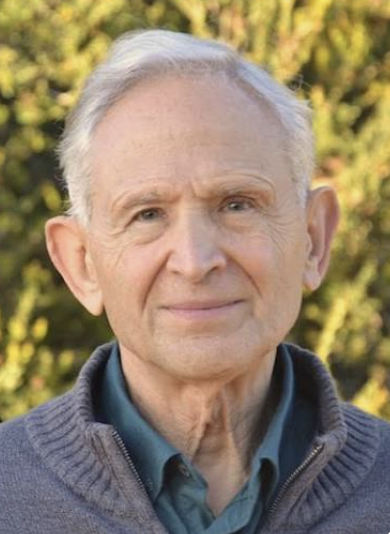
““Trauma is a fact of life. It does not, however, have to be a life sentence.”
-Peter A. Levine
Before We Had Words, Our Bodies Were Already Speaking
There is lots of research on how our body holds and stores memories, emotions, experiences, and sensations. If we are not integrating our body in some way we are missing a lot of information. Especially when we focus on trauma, it gets stored or stuck in our body.
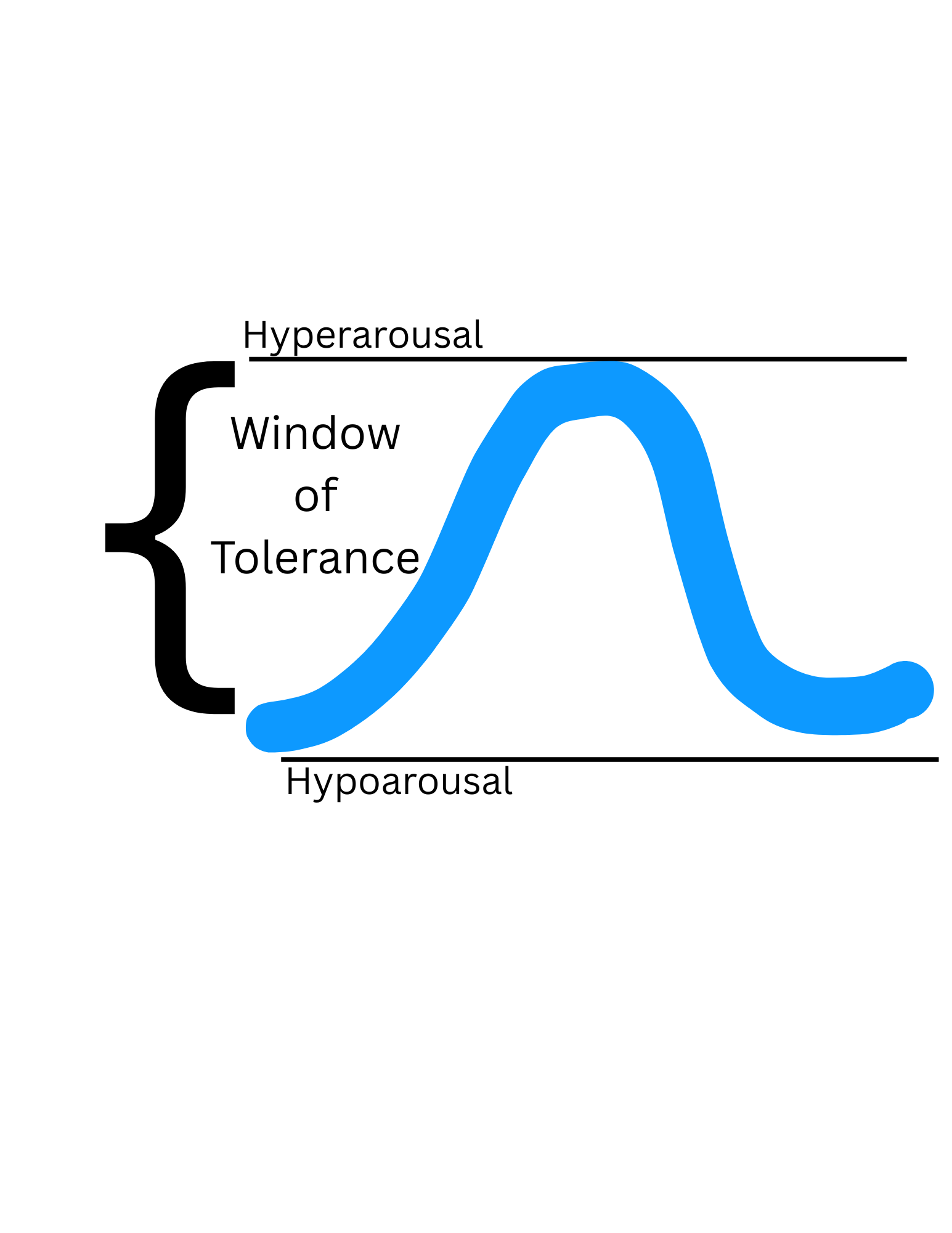
Talking about our experiences can be incredibly meaningful. But sometimes recounting something in detail can also feel overwhelming—or simply isn't where someone wants to begin. It also may not shift the pattern you are stuck in. For some people it can be really relieving to not have to relive every detail of your trauma and still be able to work through it. Rather than diving immediately into the most painful part of an experience, we can approach difficult material gradually while also paying attention to experiences of safety, connection, strength, and regulation. The basis for this is to really follow your nervous system and practice a tolerable amount of challenge (in your window of tolerance) versus overwhelming you and your system.
The goal isn't to overwhelm your nervous system. It's to help expand its capacity.
How Does Somatic Experiencing® Work?
Somatic Experiencing isn't just about noticing what you feel in your body. It uses specific principles to help us approach stress, emotions, and difficult experiences gradually—without overwhelming your nervous system.
Here are some of the ways this may show up in our work together:
Resourcing: Before moving toward something difficult, we look for experiences that help you feel more grounded, supported, or connected. A resource might be a person, place, memory, sensation, movement, or even something you notice in the room.The goal isn't to make uncomfortable feelings disappear. Instead, we are helping your nervous system recognize that discomfort and safety can exist at the same time.
Orienting: Our nervous systems are constantly scanning our surroundings for information. In therapy, we may intentionally slow down and notice what's around you—perhaps allowing your eyes to move around the room and noticing what naturally catches your attention.Orienting can help bring your attention out of a past experience or anxious thought and back into what is happening right here, right now.
Titration: We don't have to dive into the most overwhelming part of an experience all at once. Titration means approaching difficult emotions, memories, or sensations in small, manageable pieces. Rather than pushing through discomfort, we slow things down and work at a pace your nervous system can tolerate.
Pendulation: You may notice that your internal experience isn't static. There may be tension in one moment and a little more ease in the next. Pendulation involves gently moving attention between areas of activation or discomfort and experiences of greater ease, support, or settling. Over time, this can help build your capacity to experience difficult emotions without feeling completely consumed by them.
Completion: When we experience threat, the body may automatically prepare to protect itself—to run, push away, fight, brace, hide, or freeze. Sometimes you may notice impulses connected to these protective responses even long after the original experience. Somatic Experiencing® allows us to become curious about these impulses in a slow and supported way. Rather than forcing or reenacting anything, we give the body space to experience movement, protection, or agency that may not have felt possible at the time.
Our work may also include guided experiential practices that help you work with sensations, emotions, movement, and protective responses that arise in the body, allowing new experiences of safety, choice, and regulation to emerge.
See Somatic Experiencing® in Action
What Might This Actually Look Like in Therapy?
This doesn't mean every session follows a set of exercises. It is integrative. Inviting the mind and body.
We might be talking about an argument you had during the week when I notice you take a deep breath or your shoulders tense. I may ask what you notice happening inside.
You might recognize a tightness in your chest. Instead of immediately continuing the story, we may spend a moment getting curious about that sensation—while also noticing where you feel more settled or supported.
Then we may return to talking.
Somatic Experiencing® can become a natural part of therapy: talking, noticing, slowing down, becoming curious, and making meaning of what emerges.
Interested in Learning More?
Somatic Experiencing® is an evolving area of research, with a growing body of literature exploring its use in working with trauma, stress, and the nervous system. If you're interested in learning more about the research behind SE, I've included a few resources below.
Somatic Experiencing® International Research Library
Explore research, articles, and publications related to Somatic Experiencing and the continued development of its evidence base.
Explore the SE Research Library →
Somatic Experiencing for PTSD: A Randomized Controlled Study
One of the first randomized controlled studies of Somatic Experiencing examined its use with adults experiencing PTSD and found improvements in post-traumatic stress and depressive symptoms.
Somatic Experiencing: Effectiveness & Key Factors
This 2021 review examined the existing research on Somatic Experiencing. Findings suggest promising preliminary evidence for trauma-related symptoms and well-being, while also highlighting the need for continued high-quality research.
Ready to Explore a Different Way of Healing?
You don't have to choose between understanding your experiences and working with how they show up in your body. Therapy can make space for both.
Together, we can slow things down, become curious about the patterns that may be keeping you stuck, and explore new ways of relating to yourself, your emotions, and your nervous system.
If you're curious about incorporating Somatic Experiencing into your therapy, I'd love to connect.
Somatic therapy available in Santa Monica, Thousand Oaks, and virtually throughout California.